
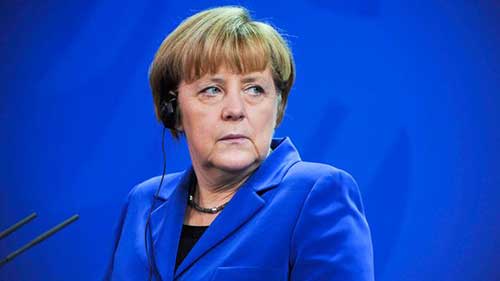
 1. Roger Cohen in a column “A Time for Courage” in The New York Times, November 21:
I asked Schmidt, who still works as publisher of the Die Zeit weekly, about Chancellor Angela Merkel and the euro crisis. “Merkel does not feel the European Union in her heart,” he said. “With her rational mind, yes, she understands its importance. But she lacks helpfulness, sympathy and solidarity. There is a lack of solidarity. With a 240 billion euro surplus in its current account, Germany has to show more solidarity.”
He continued: “She grew up in East Germany, and East German people were looking for freedom not for Europe. And that meant America, as for the Poles and Czechs. Freedom trumped Europe. In fact, Europe is one step higher than freedom. I tend to think she has stronger feelings about the United States than she does about Europe.”
Schmidt was adamant: “Germans have to change approach. We have the largest current account surplus in the world, more than China. In the end, Germany will have to respond to pressure and spend more. This huge surplus brings a moral necessity.” Debt will have to be forgiven and long-term credits made to help spur Greece and Spain into recovery. “This is comparable to the forgiveness of German debt in the 1950s,” he said.
2. Former foreign minister Joschka Fischer in Helmut Schmidt’s new book Mein Europa, in die Zeit, November 27:
I believe the decisive moment when Germany gave up its traditional role was when Angela Merkel said, “In this crisis everybody has to clean up his own house first.” That was the beginning of the unhappy renationalization which we are witnessing everywhere in the EU.
Moreover, Fischer reproached the head of he CDU [Angela Merkel] that she never explained the unpopular decision in the euro crisis to the Germans. “How often did the chancellor talk directly to the German people about the euro crisis? Not once! That is the privilege of a head of government. That is what people expect in a democracy. In a crisis everybody looks up to the Number One. But the Germans never heard from Merkel where she wanted to go, only about all the things that were not working.


