On November 23, BBC Worldwide will present a 75-minute, 3D special called “The Day of the Doctor,” which is being billed as a global simulcast. It will be seen at the same time in about eighty countries – a new frontier in the history of television. At the height of its first run, which ended in 1989, Doctor Who was seen by a hundred and ten million viewers in fifty-four countries. In the words of the 55-year-old executive producer, Steven Moffat, who started watching the series when he was a little boy, it is a “story of a lovely world in which a kind man saves everyone from harm. It has two things: scary monsters and a funny doctor.”
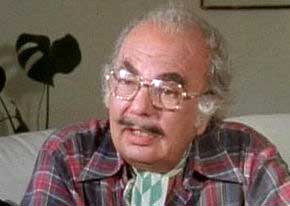 Doctor Who was the brainchild of the Canadian producer – and head of he National Film Board – Sydney Newman, who died in 1997 at the age of eighty. He would be amazed and immensely pleased with all this attention since, after his return to Canada from the UK in 1970 where he bad become extremely well known, he was not amused that few people even in the film and television worlds remembered him.
Originally an art student, he started his career during the war in the days of the legendary John Grierson at the National Film Board. He moved from the NFB to CBC television in 1952, when it began, and learned his craft directing hockey games. Soon he became a successful, versatile drama producer. He moved to England, just at the right time. The Director-General of the BBC, Carlton Greene – the brother of Graham Greene – decided that this unusually imaginative producer with a social conscience from far-away Canada, unburdened by British class consciousness, was the right man to change British television drama from polite conventional entertainments to vigorous instruments of the Sixties Revolution.
Let us hope that the Doctor Who celebrations will give Sydney Newman the honour he deserves.
Source (in part): The New Yorker, November 11